AI in digital marketing can sound larger and more mysterious than it really is. For many people, the term brings to mind robots, complex data systems, or tools built for specialists. In practice, it is often much simpler. AI in marketing is software that helps you make faster decisions, create content more efficiently, and deliver more relevant experiences to customers.
If you have ever used an email platform that suggests the best time to send a campaign, or a chatbot that answers common questions on a website, you have already seen AI at work. What is changing now is not just the availability of these tools, but the ease of using them. You no longer need a technical team to begin.
This guide is for non-technical professionals who want a grounded view of what AI in digital marketing actually means, where it helps, and how to use it without making your work feel automated or impersonal.
What AI in digital marketing really means
At its core, AI helps marketers notice patterns and act on them. It looks at information faster than a human can, then supports tasks that would normally take far more time.
That support usually falls into a few practical areas:
- Writing first drafts of emails, ads, and social posts
- Grouping customers by behavior or interest
- Recommending products or content
- Predicting which leads are more likely to convert
- Automating responses to common customer questions
- Testing versions of headlines, images, or calls to action
This is important because marketing today produces a constant stream of signals: clicks, views, purchases, replies, searches, and abandoned carts. Most teams cannot manually process all of that in a useful way. AI helps turn that volume into something you can work with.
The real value of AI is not that it replaces marketers. It reduces the drag of repetitive work so marketers can focus on judgment, timing, and message.
Where beginners should start
The biggest mistake beginners make is trying to “do AI” all at once. A better approach is to start with one task that is repetitive, time-consuming, and easy to measure.
Good starting points include:
- Email subject line ideas
- Social media caption drafts
- Website chatbot responses for FAQs
- Ad copy variations
- Customer segmentation in your CRM
- Basic reporting summaries
For example, imagine a small online clothing brand. The marketing manager spends hours every week writing product descriptions, scheduling emails, and answering the same shipping questions. AI can assist with all three:
- Generate product description drafts based on features
- Suggest personalized email content for repeat buyers
- Power a chatbot that handles simple delivery questions
None of this removes the need for human review. But it does compress the time between idea and action.
How AI helps with content creation
Content is often the first place teams use AI because the benefits are visible right away. A blank page becomes less intimidating when a tool can generate a starting point.
You can use AI to help with:
- Blog outlines
- Email drafts
- Social posts
- Product descriptions
- Ad variations
- Video script ideas
The key phrase here is “help with.” AI is good at producing drafts, options, and structure. It is not naturally good at sounding like your brand unless you guide it well and edit the output.
A practical workflow looks like this:
- Give the tool clear context about your audience and goal
- Ask for several versions, not one
- Choose the strongest ideas
- Edit for tone, clarity, and accuracy
- Add examples, details, and brand-specific language
Say you run marketing for a local fitness studio. You want a campaign promoting a new beginner yoga class. AI can draft three email options, five Instagram captions, and two short ad headlines in minutes. But you still need to shape the message so it reflects your studio’s personality and your customers’ concerns. Maybe your audience is not looking for “performance” or “optimization.” Maybe they simply want a class that feels welcoming.
That is where human understanding matters most.
How AI improves targeting and personalization

Digital marketing has long aimed to deliver the right message to the right person at the right time. AI makes that goal more realistic, especially when customer lists are too large to manage manually.
AI can help identify:
- Which customers are likely to buy again
- Which visitors are close to leaving a site
- Which subscribers are most engaged
- Which offers appeal to different customer groups
A simple example: an online bookstore has three types of customers browsing the same homepage. One mostly buys business books, another buys children’s titles, and a third browses fiction but rarely purchases. AI can help adjust recommendations, email follow-ups, or discounts based on each pattern.
This kind of personalization matters because relevance shapes attention. People respond when marketing feels timely and useful, not generic.
Still, there is a limit. Personalization should feel helpful, not invasive. If customers feel watched rather than understood, trust erodes quickly. Use the data you have with restraint and common sense.
How AI supports ads and campaign performance
Paid marketing is another area where AI can be immediately useful. Many ad platforms already use AI behind the scenes to manage bidding, placement, and audience matching.
For beginners, the most practical uses are:
- Generating multiple ad copy versions
- Testing headlines and visuals
- Adjusting bids based on likely results
- Finding lookalike audiences
- Summarizing campaign performance
Imagine you are promoting a webinar. Instead of writing two ad versions manually, you use AI to create ten headline options aimed at different motivations: saving time, learning a new skill, staying competitive, or reducing costs. You test them, see which message gets more clicks, and refine from there.
That process matters more than the tool itself. AI improves speed, but the marketer still needs to frame the offer, interpret results, and decide what to do next.
AI is most useful when it sharpens decisions, not when it makes them blindly.
What AI can do for customer experience
Marketing does not end when someone clicks. It continues through the customer experience, and this is another place where AI can quietly improve outcomes.
Common uses include:
- Chatbots for routine questions
- Automated onboarding emails
- Product recommendations
- Follow-ups based on behavior
- Sentiment analysis from reviews or feedback
A software company, for instance, might use AI to detect when a new user has not completed setup within three days. That trigger could send a helpful email, offer a tutorial video, or prompt a support message. The result is not just better communication. It is a better chance of keeping the customer engaged.
The lesson here is simple: AI works best when it removes friction. If a customer has to wait less, search less, or repeat themselves less, the experience improves.
Common mistakes to avoid
AI can create as many problems as it solves when used carelessly. Beginners often assume that speed equals quality. It does not.
Watch for these mistakes:
- Publishing AI-generated content without editing
- Using vague prompts and expecting strong output
- Trusting inaccurate information
- Over-automating customer interactions
- Personalizing in ways that feel intrusive
- Using tools without clear goals or metrics
One common example is social media content that sounds polished but empty. It may be grammatically correct and still say nothing memorable. Another is chatbot automation that traps customers in loops when they need a real person.
The fix is straightforward: keep humans in the process. Review outputs. Check facts. Listen for tone. Ask whether the content actually helps someone.
A simple plan to get started
If you are new to AI in digital marketing, start small and build confidence through use.
Here is a practical approach:
- Pick one marketing task that repeats every week
- Choose one AI tool already built into a platform you use
- Define a simple success measure, such as time saved or click-through rate
- Test for 30 days
- Compare results with your normal process
- Keep what works and drop what does not
For example, you might begin with email marketing. Use AI to draft subject lines and preview text for four campaigns. Track open rates, but also track how much writing time you save. That gives you both performance data and workflow value.
Small wins are important. They help your team learn where AI genuinely adds value rather than where it simply adds novelty.
The human role is becoming more important, not less
There is a tempting idea built into many conversations about AI: that better tools mean less need for human skill. In marketing, the opposite is often true. As routine tasks become easier to automate, the distinctly human parts of the work stand out more clearly.
Those parts include:
- Understanding audience emotion
- Choosing what not to say
- Knowing when a message feels off
- Recognizing cultural context
- Building trust over time
AI can produce language. It cannot fully understand the weight of timing, tone, or relationship. It can suggest a campaign. It cannot know, in the human sense, why a customer hesitates or what makes a message feel sincere.
That is why the best use of AI is not as a substitute for thought, but as support for it.
Final thoughts
AI in digital marketing is not a dramatic break from the past. It is another step in the long effort to make marketing more responsive, more measurable, and less wasteful. What makes this moment different is how accessible the tools have become.
For beginners, that is good news. You do not need to master every platform or understand every technical detail. You need to identify one useful application, test it carefully, and stay close to the customer experience as you do.
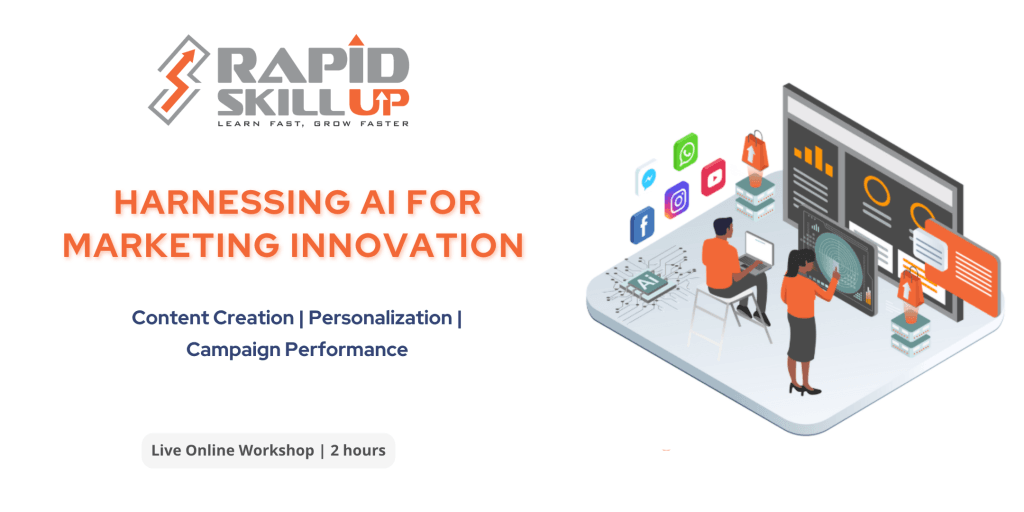
If you want a practical next step, explore how teams are applying these ideas in Harnessing AI for Marketing Innovation. It is a thoughtful way to move beyond curiosity and begin using AI with purpose.